If you have spotted dark patches spreading across your ceiling, you already know the feeling. That knot in your stomach that says this is not just a paint problem. Ceiling mold is one of those issues that seems small at first and then quietly gets worse while you figure out what to do. I have dealt with it in my own home and in clients' homes, and I can tell you that the approach matters as much as the cleaning product you choose.
Before you grab a rag and start scrubbing, take a breath. Ceiling mold removal is not like wiping down a countertop. The ceiling is often the last place moisture collects and the first place you notice it. By the time you see it, there is usually more happening behind the surface. The drywall or the wood studs above may already be compromised. And if the mold is black mold, the kind that stains and spreads in dark patches, you want to be careful about how you disturb it.
Why Ceiling Mold Is Different From Wall Mold
Gravity works against you here. When you scrub a wall, the water and debris drip down. On a ceiling, everything falls onto your face, into your eyes, and onto the floor. That includes loosened mold spores, which can travel through the air and settle in other parts of the room. So the first rule of ceiling mold removal is containment. You need to isolate the area as much as possible. Close the door, seal off vents, and lay down plastic sheeting. This is not overkill. It is basic safety.
Another factor is that ceilings often have less airflow. Warm air rises, and moisture collects near the ceiling before it condenses. That is why bathrooms and kitchens with poor ventilation get mold on the ceiling long before the walls show signs. The combination of steam, heat, and lack of circulation creates a perfect breeding ground. A dehumidifier can help after the fact, but during removal, you want to keep the air as still as possible to avoid spreading spores.
Assess Before You Address
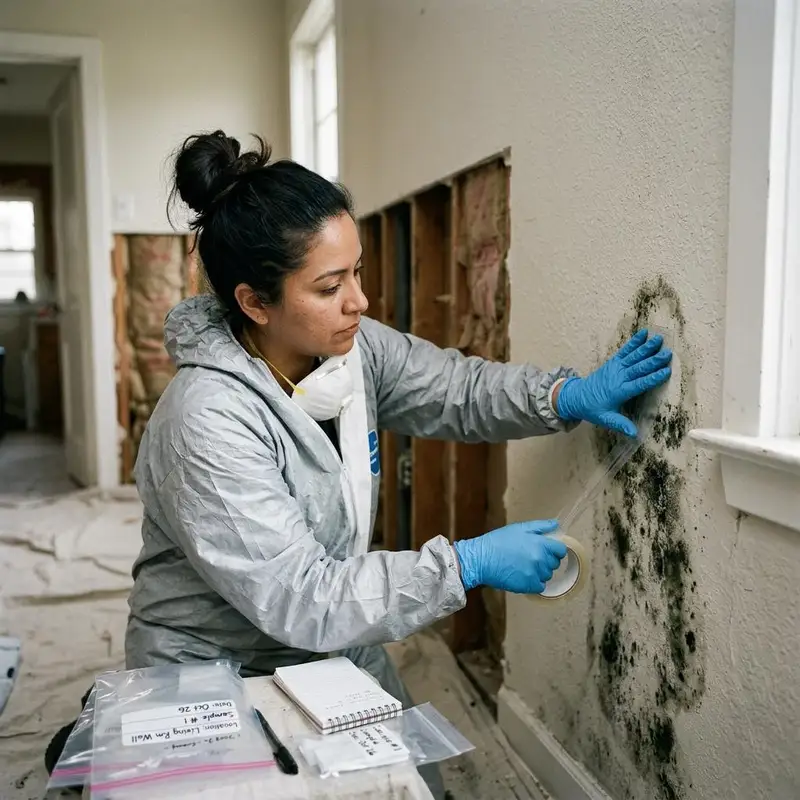
Before you start any ceiling mold removal, you need to know what you are dealing with. Is the mold surface-level, or has it soaked into the material? A moisture meter is a handy tool here. You can press it against the ceiling and get a reading on how deep the moisture has penetrated. If the drywall feels soft or crumbles when you touch it, you are past the point of cleaning. That section needs to be cut out and replaced.
If the mold is contained to a small area and the ceiling is still solid, cleaning might be enough. But you should still wear an N-95 respirator and gloves. Mold spores are invisible, and you do not want to breathe them in while you work. A HEPA vacuum is also useful before you start scrubbing. It can pick up loose spores without blowing them back into the air. Standard vacuum filters will not catch mold spores; they will just exhaust them around the room.
Cleaning Solutions: What Works and What Does Not
There is a lot of conflicting advice about what kills mold. Some people swear by bleach. Others say vinegar is better. I have used both, and the truth is that they work differently. Bleach is effective on non-porous surfaces like tile or glass, but on porous materials like drywall or wood, bleach does not penetrate deeply. The water in the bleach solution can actually feed the mold below the surface. Vinegar is more effective on porous surfaces because its acidity kills mold at the root. But vinegar has a strong smell and can irritate your lungs, so you still need ventilation and a respirator.
Borax is another option. It is a natural mineral that inhibits mold growth. You mix it with hot water and scrub the area. It does not have the harsh fumes of bleach, but it also does not kill mold instantly. It takes time. Tea tree oil is often mentioned as a natural remedy. It does have antifungal properties, but the concentration needed to be effective is higher than most people realize. A few drops in a spray bottle will not do much. You would need a strong solution, and tea tree oil is expensive. For small patches, it can work, but for anything larger, you are better off with a commercial product like Concrobium. That is a mold-specific cleaner that dries into a crystalline barrier that resists future growth.
If the area is large or the mold has spread into the insulation above the ceiling, you may need to call a remediation company. They have industrial-grade equipment, including mold foggers that can treat the entire attic space. A mold fogger releases a fine mist that settles on every surface, killing mold that you cannot reach with a rag. This is not something you do yourself. The chemicals are strong, and you need to vacate the house while they work.
When to Call a Professional
There is no shame in calling a mold inspector or a remediation company. In fact, it is often the smarter move. If the mold covers more than a few square feet, or if you suspect it has gotten into the ceiling joists, a professional assessment can save you time and health problems. A mold inspector will use a moisture meter and may take samples to identify the species of mold. Not all mold is toxic, but some types produce mycotoxins that are harmful over time.
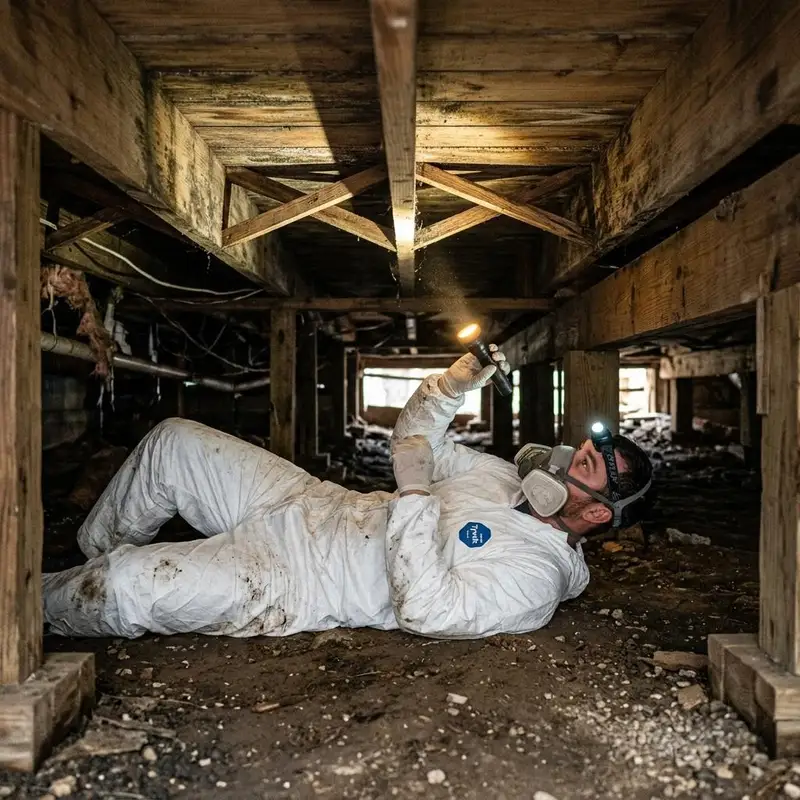
Asbestos is another concern, especially in older homes built before the 1980s. If your ceiling has textured paint or acoustic tiles, disturbing them during ceiling mold removal could release asbestos fibers into the air. That is a whole different level of hazard. A professional can test for asbestos before any work begins. Do not skip this step if your home is older. The cost of testing is small compared to the long-term health risks.
Preventing Mold From Coming Back
Once you have dealt with the visible mold, the real work begins. Mold comes back if the moisture problem is not fixed. A dehumidifier can keep the humidity low, but you also need to find the source of the moisture. Is it a leaky roof? Condensation from poor insulation? A plumbing vent that terminates too close to the ceiling? An air purifier with a HEPA filter can capture airborne spores, but it will not stop new mold from growing if the conditions are right.
Check the caulk around ceiling fixtures, light fixtures, and vents. Gaps let moisture through. Recauking is a cheap fix that can prevent a lot of headaches. Also, consider installing a bathroom fan that vents to the outside, not just into the attic. Many homes have fans that blow moist air directly into the attic space, which then condenses on the ceiling below. That is a design flaw that no amount of cleaning will fix.
A mold test kit can give you peace of mind after the job is done. You take a sample from the cleaned area and send it to a lab. The results will tell you whether the mold is gone or still lurking. It is a small investment that can confirm your work was effective.
The Bottom Line on Ceiling Mold Removal
Ceiling mold removal is not a job to rush through. It requires patience, the right gear, and a willingness to accept that sometimes the only fix is to cut out and replace damaged material. If you go in with a spray bottle and a rag, you might clean the surface while leaving the root problem intact. That mold will be back within weeks.
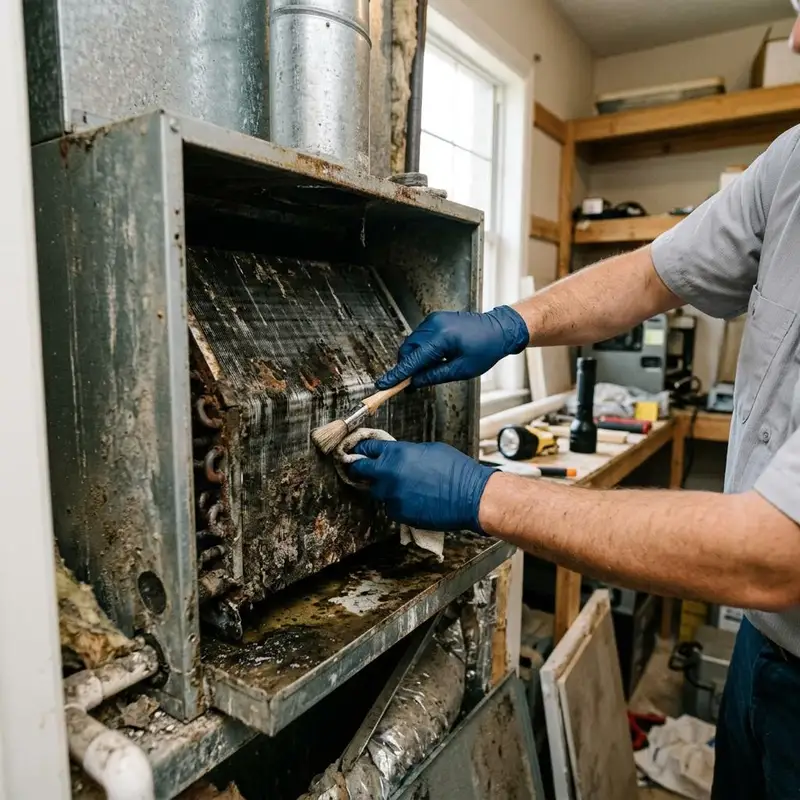
I have seen people try to paint over mold spots, thinking that will seal it in. It does not. The mold eats through the paint eventually, and now you have a bigger mess. The only real solution is to kill the mold, remove the moisture source, and keep the area dry. That is the full cycle, and skipping any step means you will be doing it again soon.
Whether you handle it yourself or hire a remediation company, the key is to treat ceiling mold removal with the seriousness it deserves. It is not just about appearances. It is about the air you breathe every day in your home.